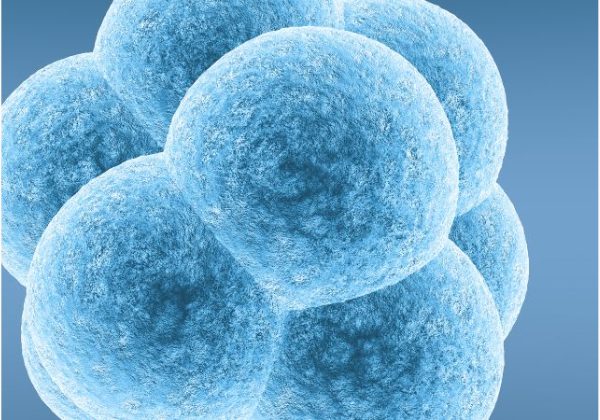
Experiencing a failed In Vitro Fertilization (IVF) cycle is emotionally exhausting. When it happens multiple times, it can leave you feeling frustrated, heartbroken, and searching for answers. If you have gone through several unsuccessful embryo transfers, you might be dealing with Recurrent Implantation Failure (RIF). While the diagnosis sounds intimidating, understanding the "why" behind RIF is the first step toward finding a solution. Here is a comprehensive guide to what recurrent implantation failure is, what causes it, and the medical advancements available to help you move forward.
What is Recurrent Implantation Failure?
In the medical community, Recurrent Implantation Failure (RIF) is generally defined as the failure to achieve a clinical pregnancy after the transfer of at least three high-quality embryos in three separate cycles (though some clinics now define it as two failed transfers, depending on the patient's age and embryo quality). Implantation is a complex, delicate dialogue between the embryo and the uterine lining (endometrium). For a successful pregnancy, both the embryo and the uterus must be healthy, and their timing must align perfectly. When this process repeatedly fails, fertility specialists must investigate both sides of the equation.
Common Causes of RIF
1. Embryo Factors (The Seed) - The most common cause of implantation failure is the embryo itself.
A) Chromosomal Abnormalities (Aneuploidy): An embryo may look perfect under a microscope but still have an incorrect number of chromosomes. These embryos rarely implant, or they result in early pregnancy loss.
B) Zona Pellucida Hardening: The embryo is surrounded by a protective shell called the zona pellucida. If this shell is too thick or hard, the embryo cannot "hatch" to implant into the uterine wall.
2. Uterine Factors (The Soil) - If the embryos are healthy, the issue may lie within the uterus.
A) Anatomical Issues: Fibroids, polyps, scar tissue, or a uterine septum can physically block an embryo from implanting or disrupt the blood supply to the lining.
B) Thin Endometrium: The uterine lining needs to be thick and receptive (ideally 7mm or more) for an embryo to attach securely.
C) Chronic Endometritis: This is a persistent, often silent infection or inflammation of the uterine lining that creates a toxic environment for embryos.
D) Altered Window of Implantation (WOI): The uterus is only receptive to an embryo for a brief window of a few days. In some women, this window opens earlier or later than standard IVF protocols anticipate.
3. Systemic and Immunological Factors
A) Blood Clotting Disorders (Thrombophilia): Conditions that cause the blood to clot too easily can restrict microscopic blood flow to the uterus, preventing the embryo from establishing a vital connection.
B) Immunological Issues: While highly debated in the medical field, some evidence suggests that an overactive immune system (such as elevated Natural Killer or NK cells) might mistakenly attack the embryo.
C) Lifestyle Factors: High stress levels, smoking, excessive alcohol, or a very high or low Body Mass Index (BMI) can negatively impact implantation rates.
How is RIF Diagnosed?
If you meet the criteria for RIF, your fertility endocrinologist will likely pause transfers and pivot to a "fact-finding" mission. Common tests include:
Hysteroscopy: A minimally invasive procedure where a tiny camera is inserted into the uterus to check for and remove polyps, fibroids, or scar tissue.
Endometrial Biopsy (ALICE/EMMA tests): To check for chronic endometritis or an imbalance in the uterine microbiome (the healthy bacteria in the uterus).
Endometrial Receptivity Analysis (ERA): A mock cycle where a biopsy of the lining is taken to determine your exact Window of Implantation.
Blood Panels: Testing for autoimmune conditions, thyroid function, and blood clotting disorders.